


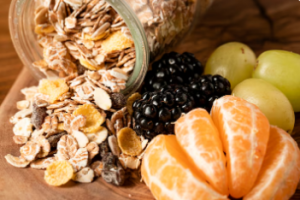
The Importance of Fiber in Your Diet
Doctors and experts are always telling you what you shouldn’t be eating. How about an article instead on something yummy that you can focus on eating! Fiber is a vital part of a healthy diet, but many people aren’t getting enough of it. I want to emphasize how important fiber is for your digestive health, heart health, and even for managing weight and blood sugar levels.
What Is Fiber?
Fiber is the part of plant foods that your body can’t digest. Instead of being broken down and absorbed, it passes through your digestive system, helping to keep things moving and working properly. There are two types of fiber: soluble (which dissolves in water and helps lower cholesterol and blood sugar) and insoluble (which adds bulk to your stool and helps prevent constipation). Both are important.
Why Do You Need Fiber?
- Supports digestion: Fiber helps prevent constipation and promotes regular bowel movements.
- Helps control blood sugar: Especially helpful for people with diabetes or prediabetes.
- Lowers cholesterol: Soluble fiber can help reduce “bad” LDL cholesterol.
- Keeps you full: High-fiber foods help you feel satisfied longer, which can support healthy weight management.
- May reduce risk of disease: Diets high in fiber are associated with lower risk of heart disease, stroke, and certain cancers.
How Much Fiber Do You Need?
Adults should aim to get 20 to 35 grams of fiber per day. Unfortunately, most people fall short. The good news is that increasing your fiber intake is simple—and delicious.
Where to Find Fiber
Here are some great sources of fiber:
- Fruits: Apples, pears (with skin), raspberries and blueberries. Avocado!
- Vegetables: Broccoli, peas, sweet potatoes, spinach, and Brussels sprouts
- Whole grains: Oatmeal, brown rice, whole wheat bread, quinoa, and barley
- Legumes: Lentils, white beans, chickpeas, kidney beans
- Nuts & seeds: Almonds, pistachios, chia seeds, flaxseeds, sunflower seeds
- High-fiber cereals: Look for cereals with at least 5 grams of fiber per serving
Tips for Adding More Fiber
- Start your day with a high-fiber breakfast like oatmeal topped with berries and nuts. If watching carbs change to greek yogurt.
- Choose whole grain versions of bread, pasta, and rice.
- Add beans to soups, salads, or casseroles.
- Snack on fruits, vegetables, or a handful of nuts instead of processed snacks.
- Drink plenty of water as you increase fiber to help prevent gas or bloating.
Adding more fiber to your diet is one of the simplest and most effective ways to improve your overall health. I read an article recently that suggested that if you start your meal by eating the fiber first it can help keep your blood sugar down even if you then eat some carbohydrates. Might be worth a try! If you have any questions or need help making changes to your diet, feel free to set up an appointment with me!
Here is a more extensive chart on high fiber foods:
Recipes!
I’ve tried the 5th, 8th, 15th, and 17th recipe from this link and they have been great! If you have a favorite recipe that is high in fiber (while also hopefully balancing protein/carbs and fats) please share!